
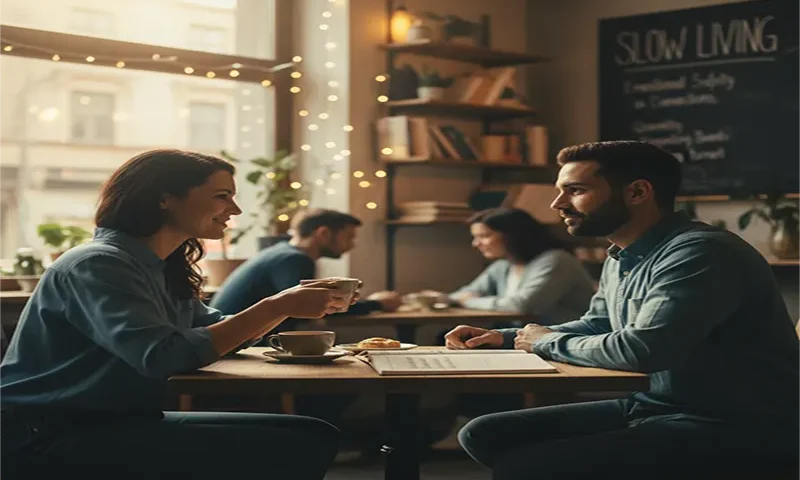
In an era of instant gratification, the world of modern romance has become increasingly digitized, gamified, and—exhaustingly—accelerated. We live in the age of “Fast Dating,” characterized by the endless swipe, the paradox of choice, and a “next-best-thing” mentality that treats human connection like a disposable commodity. However, a quiet revolution is taking place: Slow Dating.
Slow Dating is the intentional choice to prioritize quality over quantity and depth over speed. It is a commitment to getting to know one person at a time, moving at a pace that allows for genuine observation rather than impulsive projection. At its core, slowing down is a radical act of self-care. It shifts the focus from “Will they like me?” to “Is this person safe, compatible, and worthy of my time?”
The Psychology of Emotional Safety
Modern dating often puts the nervous system in a state of high alert. When we meet strangers in rapid succession, our brains are constantly scanning for threats while simultaneously seeking hits of dopamine. This “high-stakes” environment can trigger significant anxiety, particularly for those with sensitive attachment styles.
The primary benefit of Slow Dating is the preservation of Emotional Safety. Emotional safety isn’t just the absence of conflict; it is the presence of trust, consistency, and vulnerability.
The Vulnerability Pace
In “Fast Dating,” there is often a pressure to “trauma dump” or share deep personal histories early on to create a false sense of intimacy. Slow Dating advocates for a measured Vulnerability Pace. By sharing your inner world in layers, you allow the other person to earn your trust. This prevents the “vulnerability hangover”—that crushing feeling of regret when you’ve shared too much with someone who hasn’t yet proven they can hold that information with care.
Key Takeaway: Emotional safety is built in the “small moments”—how they respond to a text, how they handle a minor disagreement, and whether their actions align with their words over time. Speed masks red flags; slowness reveals them.
For those with an Anxious Attachment Style, Slow Dating acts as a regulatory tool. It prevents the “rush” of limerence (infatuation) from clouding judgment, allowing the individual to stay grounded in reality rather than getting swept up in a fantasy.
Preventing Dating Burnout
If you’ve ever felt a sense of dread at the notification of a new match, or if “ghosting” has become your primary defense mechanism, you are likely experiencing Dating Burnout.
Burnout occurs when the output of emotional energy far exceeds the input of meaningful connection. The “Cognitive Load” of managing five different conversations, remembering which person has a sister in Seattle and which one hates cilantro, is immense. This leads to “compassion fatigue,” where you find yourself becoming cynical or numb to the people behind the profiles.
The Power of Monodating
Slow Dating often encourages “monodating”—focusing on one person at a time once a connection is established. By narrowing your focus, you preserve your mental energy. You aren’t just “gathering data”; you are building a relationship. This reduces the frantic energy of the “dating hunt” and replaces it with a calm, focused intentionality.
The Benefits of Intentionality
When you move slowly, you give yourself the gift of Clarity. In the whirlwind of fast dating, we often mistake chemistry for compatibility. Chemistry is the spark, but compatibility is the fuel that keeps the fire burning.
Limerence vs. Love
Slowing down helps you distinguish between Limerence (a state of mind which results from romantic attraction that includes obsessive thoughts and fantasies) and actual Love. Limerence thrives on mystery and uncertainty; Love thrives on known quantities and shared values. By taking the time to see a person in different contexts—stressed, happy, tired, or bored—you filter out the temporary “high” of a new crush to see if there is a foundation for a lasting partnership.
Intentionality also allows you to stay true to your “deal-breakers.” When we rush, we tend to overlook red flags in favor of maintaining the momentum of a new “spark.” In Slow Dating, you have the space to ask: “Does this person actually align with my long-term goals?”
Practical Strategies for Slow Dating
Adopting a slow dating style requires a shift in habits. It’s about setting boundaries with the technology and the process itself.
- Limit Your Intake: Commit to only matching with 1–2 people per week. If a conversation doesn’t go anywhere, close it before opening a new one.
- The Pre-Date Screen: Prioritize a 15-minute phone call or video chat before meeting in person. This “vibe check” can save hours of physical energy and travel time.
- The Three-Date Rule (for Emotion): Aim to wait until the third or fourth date before diving into “heavy” life topics. Keep the first few encounters focused on shared interests, humor, and general life outlook.
- Scheduled “Off” Days: Designate days of the week where you do not check dating apps. Use this time to reconnect with your own hobbies and friends.
How to Tell if You Need a Dating Detox
Before you can successfully “Slow Date,” you may need to reset. Check if you resonate with the following:
- [ ] You feel cynical about everyone you meet before the first date.
- [ ] You find yourself “ghosting” people because replying feels like a chore.
- [ ] You feel a sense of “numbness” or boredom during dates.
- [ ] You are using the apps as a distraction from loneliness rather than a tool for connection.
- [ ] Your self-esteem is directly tied to the number of matches or likes you receive.
If you checked more than two boxes, a 30-day “Dating Detox” might be the perfect prelude to starting your Slow Dating journey.
The goal of Slow Dating isn’t to make the process take longer for the sake of it; it’s to ensure that when you finally arrive at a connection, it is one built on a foundation of safety, respect, and true knowledge. By choosing slowness, you aren’t just protecting your heart from burnout—you are giving yourself the best possible chance at a love that lasts.

